Turnout so far highest in decades as Israelis vote in pivotal election
Israelis vote in pivotal election with turnout at its highest in decades.
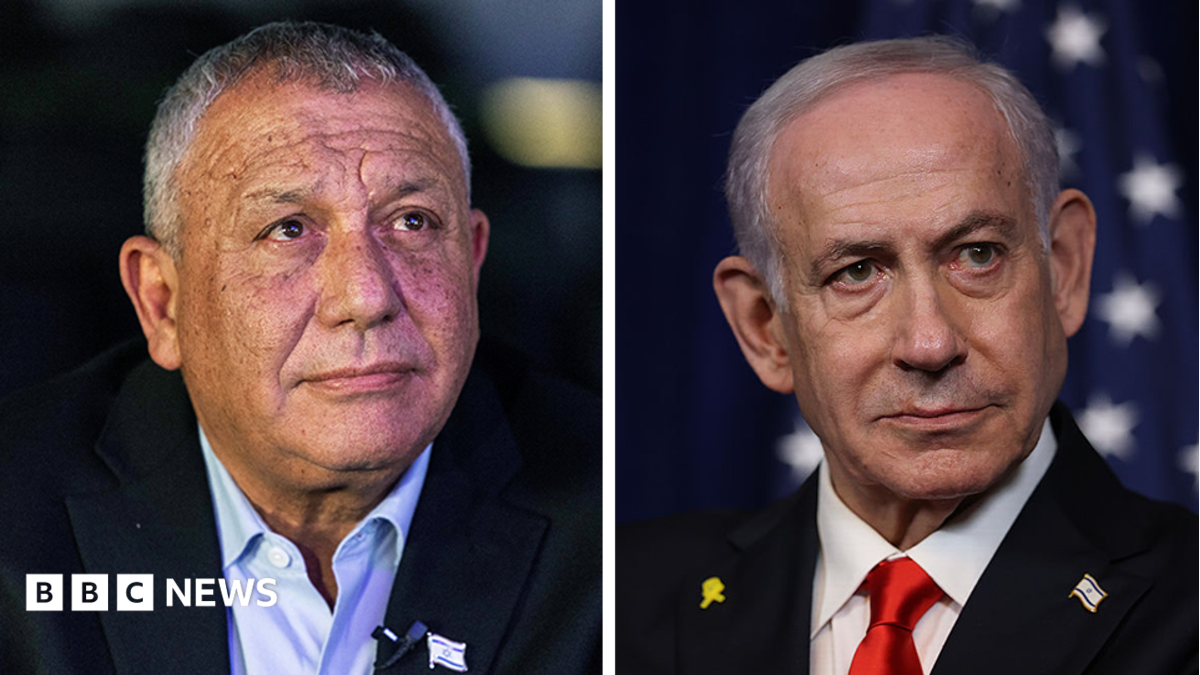
Israelis vote in pivotal election with turnout at its highest in decades.
The story
Turnout in Israel's election is at its highest in more than four decades, with many viewing the vote as one of the most pivotal in the country's history. Polling published on Friday suggests incumbent Benjamin Netanyahu is in a tight race with former military chief Gadi Eisenkot for the position of prime minister. However, neither of their political blocs are projected to win the 61 seats needed to form a majority government, potentially leading to weeks or months of political wrangling. The campaign has been shaped by issues of democracy and security, with the election widely seen as a referendum on Netanyahu's rule.
Leading parties have complained of alleged irregularities at polling stations across the country, but Israel's Central Election Committee (CEC) has stated there is no evidence of systematic tampering with ballot slips. The election is Israel's proportional representation system, which means governments have always been coalitions. The race to power can produce unexpected alliances, and this election looks especially tight, with lines in the sand already drawn.
A closer look
The so-called "change bloc", a collection of parties who share the goal of ousting Netanyahu, includes former prime minister Naftali Bennett and Avigdor Lieberman, both right-wingers who take hardline positions on security. Yair Golan, a left-leaning former general, is also a key figure in the bloc. Netanyahu, who first served as prime minister in 1996, may need to form another alliance with the far-right and ultra-Orthodox parties that make up his current governing coalition, the most right-wing in Israel's history.
Arab party blocs are also in the running, with about one-fifth of Israel's population identifying as Arab. In theory, they could prove kingmakers, but all but one of the leading Jewish parties have ruled out working with them. The campaign has been dominated by the issue of security, with the opposition bloc pushing for an independent commission of inquiry into the 7 October Hamas-led attacks on Israel, in which nearly 1,200 people were killed and 251 taken back to Gaza as hostages.
This report presents the named publisher’s account and has not yet been independently corroborated.
Continue reading
Defence desk ↗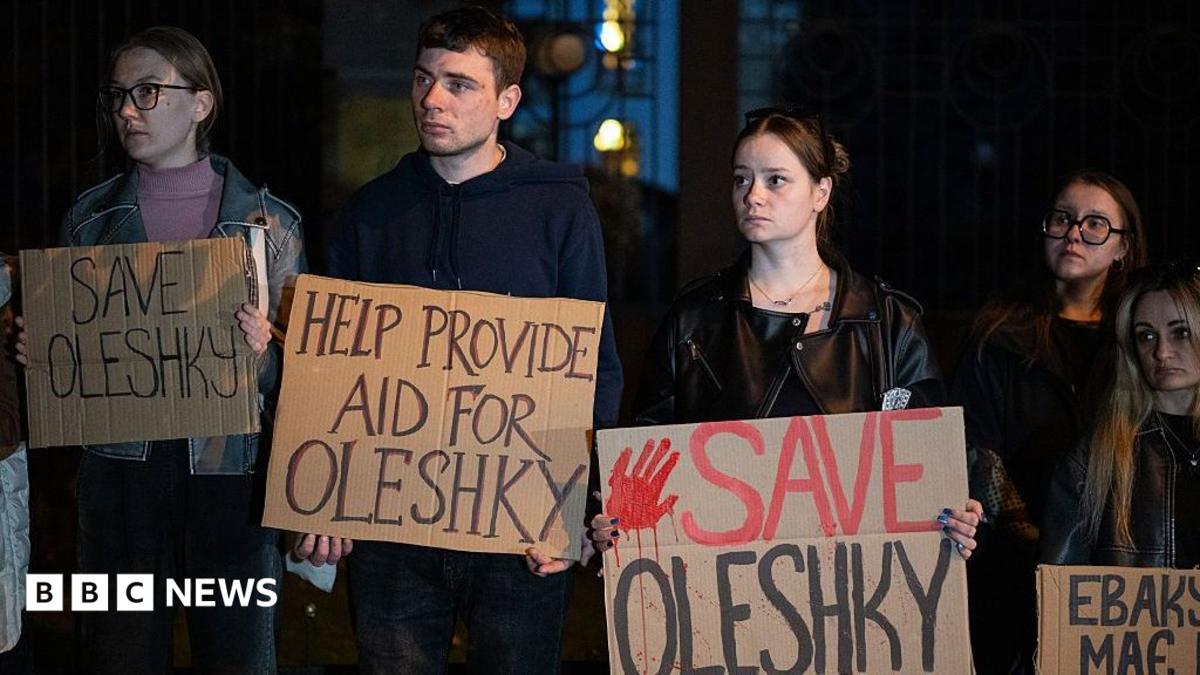
Truce begins in Ukraine city where residents ate weeds to survive
A truce has begun in the Russian-occupied Ukrainian city of Oleshky, where residents have been trapped without food, water and electricity, and have resorted to eating weeds to survive.
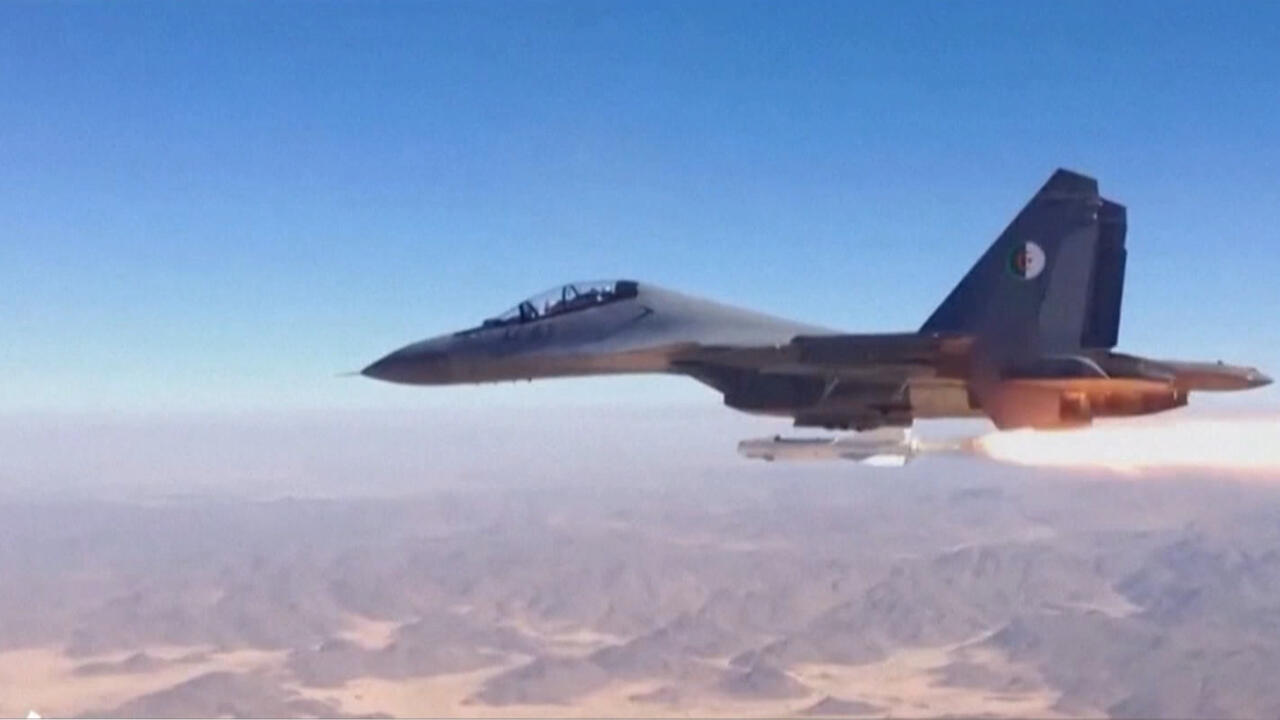
Algeria to deploy army units to Niger to protect economic interests
Algeria to deploy army units to Niger to protect economic interests
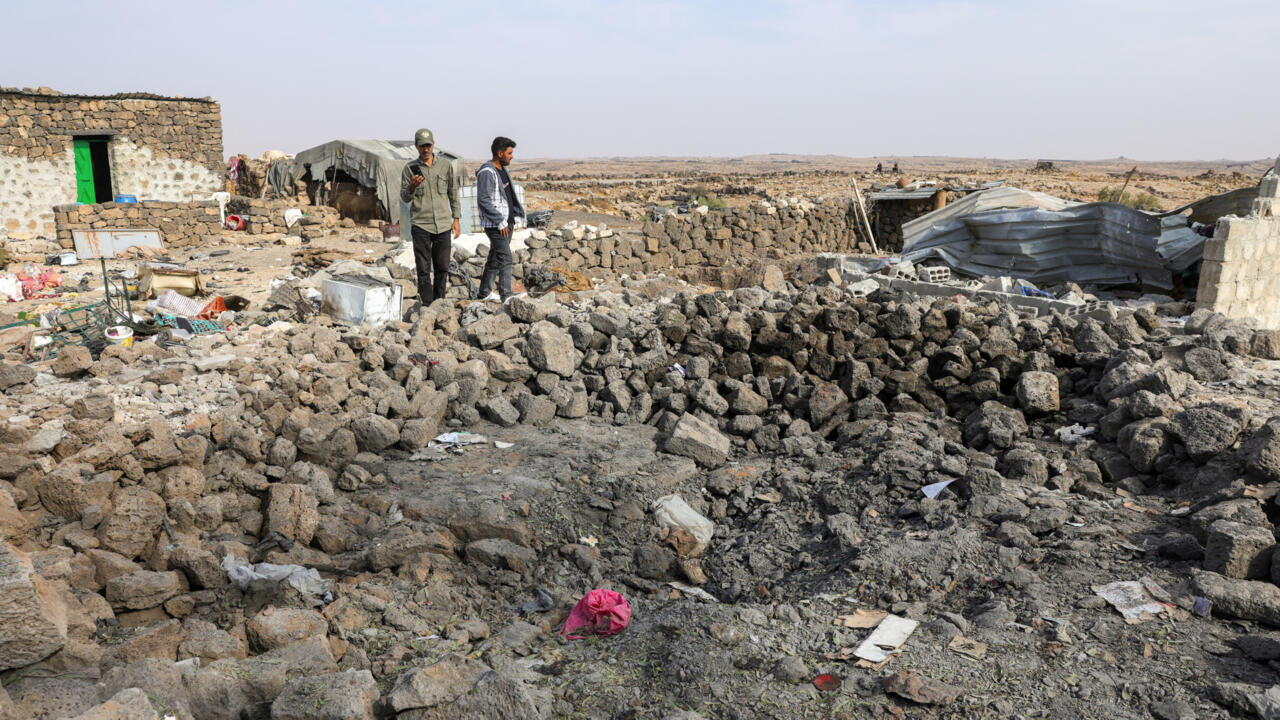
Syria slams deadly Jordan strikes as ‘unacceptable’ breach of airspace
Syria condemns Jordanian strikes in southern Syria, calling them an unacceptable breach of airspace.